Book Categories:
Before You Go — Find the Right Fabric for Your Collection
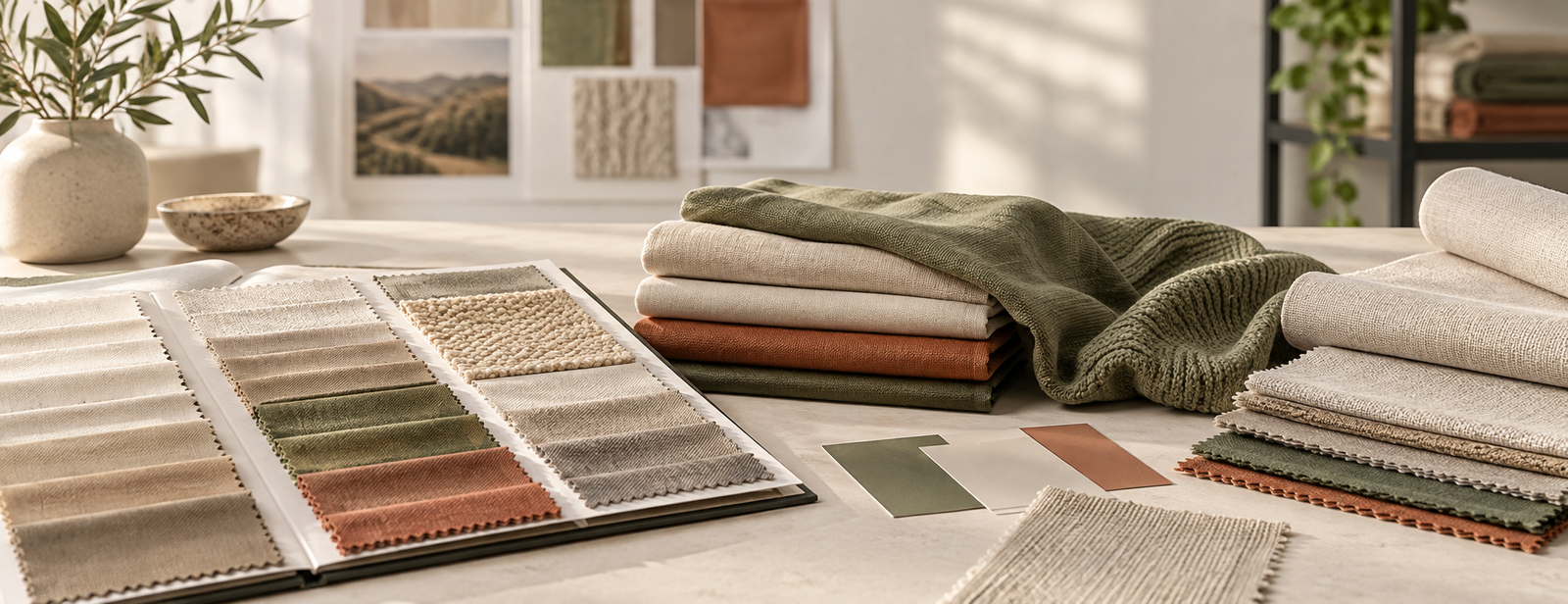
Explore woven, circular knit and warp knit fabrics for fashion, activewear and outdoor apparel. Our team is ready to support your next development project.

Book Categories:



Share:

Meta description: A collaboration scenario showing how a garment factory can develop a dependable pique polo program by aligning fabric texture, collar construction, and wash expectations.
A pique polo can look simple, but its final quality depends on several connected details. The body fabric needs a clean, breathable texture. The collar and cuff rib must feel compatible with the body fabric. The garment also needs to retain a tidy shape through finishing and everyday wear.
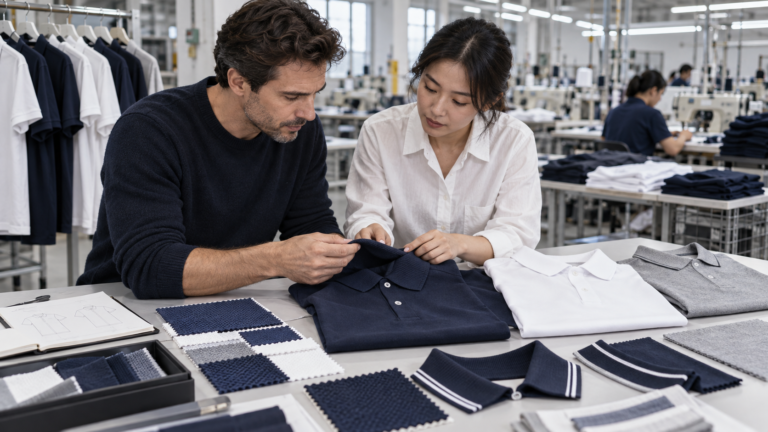
In this collaboration scenario, an apparel factory was preparing a polo program for workwear and casual retail. The team began by reviewing the pique surface, the fabric weight, and the level of structure needed for the intended fit. They then compared several collar-rib options beside the body fabric, checking color harmony, recovery, and the transition at the placket.
The first garment sample was used as a practical test rather than a final approval piece. The factory looked at the collar after pressing, examined the shoulder and side seams, and reviewed how the pique texture appeared across the front panel. This helped the team decide whether the fabric and trim were working as one system.
A clear sample-review process also made later decisions easier. Notes on collar shape, rib width, and color matching were recorded in a shared specification sheet, giving the development and production teams the same reference.
For polo manufacturers, early coordination between body fabric, collar rib, and garment construction is what turns a familiar product into a reliable program. It supports a cleaner sample stage and a more consistent finished look.